




Managing stress and exhaustion
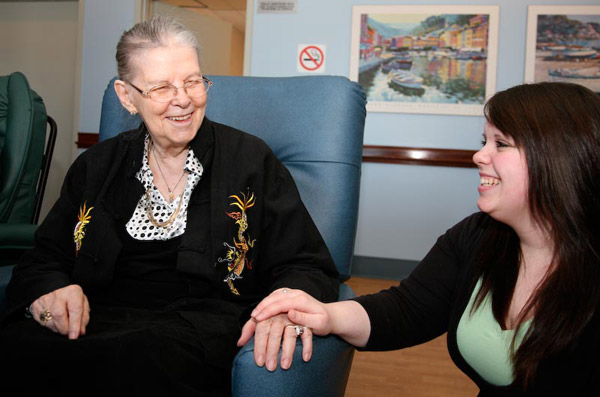
Being a caregiver is a source of constant stress. Stress is a normal phenomenon and is a physical and psychological response to a particular event.
- Caregivers' efficiency is directly linked to their ability to maintain a reasonable level of stress
- No one is invincible
- It is important to recognize this and accept your limits
- Stress is not a sign of weakness
- Each individual is different and unique
- Caregivers must first work on themselves in order to manage stress and find ways to relax
Sources of stress for caregivers
Reversal of roles
- The caregiver must now perform the tasks that the person with the disease used to do
- The spouse now becomes the caregiver or the child becomes the parent
- All decisions must be made by the caregiver
Constraints
- Even without having to take care of someone, our obligations often conflict with our personal lives. Example: work versus leisure time
- Becoming a caregiver adds to these constraints
Unrealistic expectations
- Believing that it will be easy
- Thinking that you will never get discouraged, lose your patience
- Believing that you are not up to the task
- Expecting that your friends will know how to act or help; instead, you must let them know what they can do
Emotional stress
- The caregiver is continually caught between different feelings: anger, sadness, guilt
- Family members may not agree on the decisions to be made or the care to be given
- The decision to place the person in a care facility: often inevitable, but always difficult
Isolation
- Caregivers often isolate themselves in order not to bother other people
- Friends may not make contact because they do not want to intrude
- The role and responsibilities of caregivers leave them with little time for themselves
Exhaustion
In addition to their regular responsibilities, which are often already quite heavy, caregivers must:
- Weigh and make decisions, think and plan ahead, provide and ensure support for the ill person
- Manage medication, diet, hygiene, behaviour, safety
Watch for the warning signs of exhaustion. Caregivers may:
- Feel more tired
- Be more irritable or impatient
- Have difficulty concentrating
- Have trouble sleeping
- Have a decreased appetite or, conversely, eat constantly
- Put their own activities aside
- Feel overloaded
- Become eaten away by guilt
Seeking out support
A caregiver must seek out help and support from:
- Family and friends
- Health professionals
- Day centres and community centres
- Services that provide prepared meals
- Family health support services
- Family support services
- Support groups
- Support groups specifically for caregivers
- Respite services
- Transportation services
- Private nursing care
It is important to be able to recognize the kind of support you need and then seek out that support.
Emotional Support
Moral support, friends, confidants etc.
Material Support
Respite, domestic tasks, money etc.
Support related to social activities
Leisure, visits etc.
Information Support
Advice, training, suggestions etc.
Practical advice
Become an informed caregiver
Get information about the disease, the different services available, the latest news and research etc. Determine the level of support required on a regular basis: Should you ask for help with bathing the person? Can the person safely carry out their daily activities? Adapt the support to the level of care required.
Give yourself free time
Making time for yourself does not mean that you are selfish or that you are neglecting the person with the disease. On the contrary, doing this allows you to replenish your energy levels. By taking care of yourself, you are better able to take care of the other person.
Do not isolate yourself
Talk to your friends, other caregivers, or a neighbour. Accept the help of others.
Never neglect your physical or mental health
Caregivers can be forced to put off a doctor’s appointment because no one is available to supervise or they are too tired to go. Determine your stress level and evaluate your own state of health. Your health is paramount. Take care of it.
Make sure you eat healthfully
Keep yourself well hydrated. Take the time to eat.
Give yourself rest periods
Get enough sleep. If certain behaviours are preventing you from sleeping, talk to your doctor right away. Many community resources, such as churches, volunteer groups or associations, offer supervision services. Some day centres provide interesting activities for people with Alzheimer’s disease, which will give you some time for respite.
Establish a routine
By keeping the same routine, you become more confident, and this reassures the person being helped. To reduce frustration, simplify the tasks the person must perform. For example: What clothes should the person wear? Give only two choices and lay out the clothes in advance.
Communicate efficiently
Keep your sentences simple, short and precise. Be patient when you communicate with the person; give him or her enough time to respond. Talk about the past, happy times etc. Use points of reference like photos or music.
Maintain a stable and safe environment
Avoid moving furniture. Review the level of safety on a regular basis: (locks on the doors, storage of medication and sharp objects etc.).
Keep a journal
Write down the questions that you would like to ask a health professional. Don't be afraid to ask for help from a pharmacist, doctor, or the patient case manager etc.
Need help ?
All requests must first go to the mental health team in your CSSS. You can also contact a crisis centre or choose "Support" from the pull-down menu of the Community ressources.


